Luis Pino built ProducerFlow by accident — it started as an internal compliance tool for Agentero, the carrier-agency network he founded after leaving CoverWallet, and became a standalone product when carrier partners kept asking if they could buy it. In Episode 154, Luis explains what producer compliance actually involves, why carriers approach AI with a fundamentally different risk appetite than agencies, and why the question of the insurance agent's survival in an AI-native world is one of the most genuinely open questions in distribution right now.
Will Johnson, CEO and Co-Founder of Gyde
Will Johnson spent a decade at Oscar Health watching brokers — the most important node in health insurance distribution — get chronically underinvested in technology. In Episode 153, he explains how Gyde is fixing that: an AI-powered operating system combined with an acquisition-based partnership model that aligns incentives completely and brings a dedicated team into agencies post-acquisition to actually build the growth infrastructure together. The insight at the core of it is simple: most brokers are spending less than half their time on new business. Gyde exists to change that ratio.
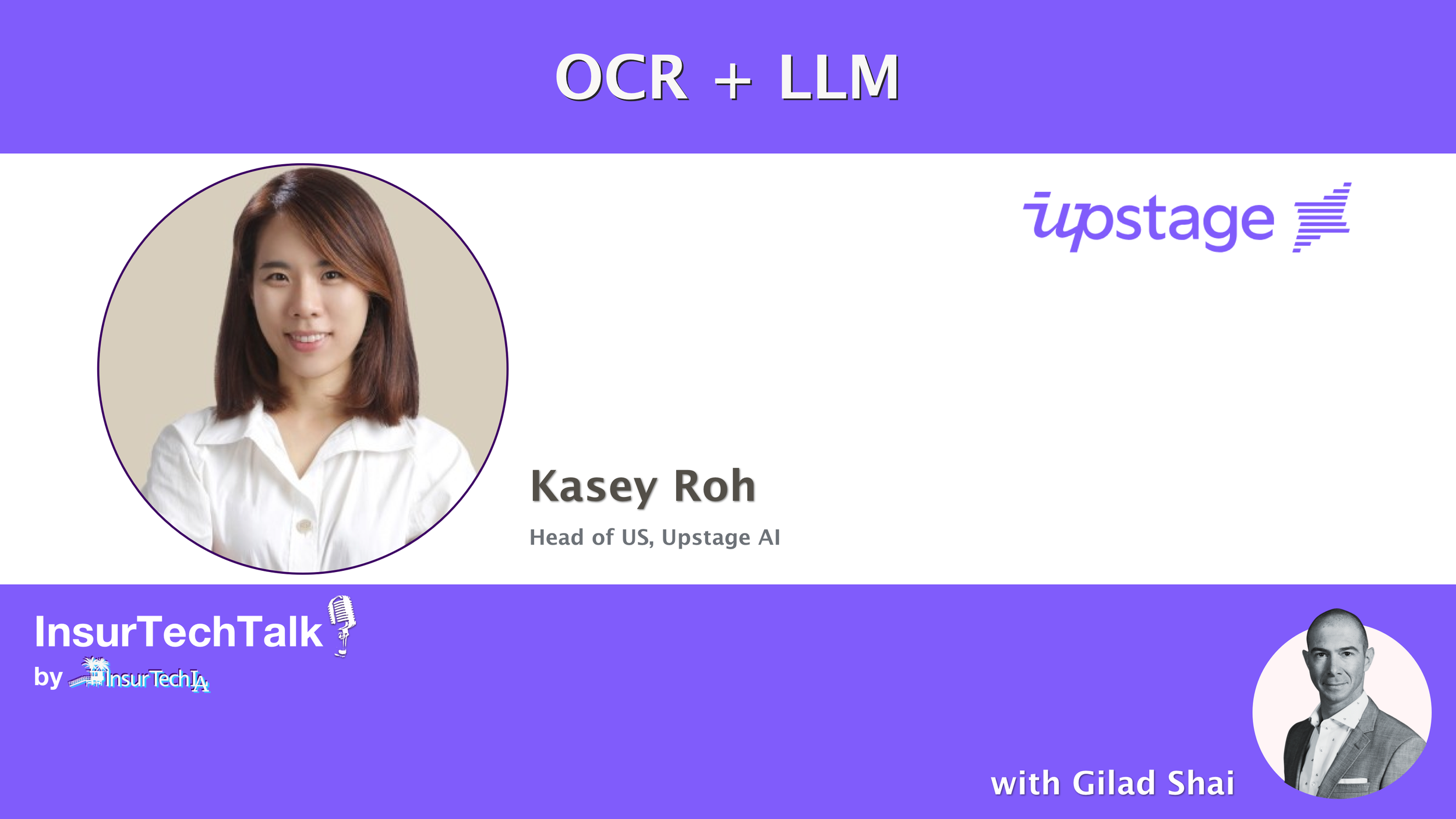
Kasey Roh, Head of USA, Upstage
Upstage's Kasey Roh came to enterprise AI through Tesla, Meta, and venture capital — which means she has seen enough AI companies to know the difference between real technology and a wrapper. In Episode 152, she makes the case that insurance companies have only ever been able to read about 20% of their documents, explains why throwing the rest into frontier LLMs is not a scalable solution, and shares what one Asian carrier found when it finally digitized a decade of untouched claims records — enough to launch two entirely new product lines from data it already owned.
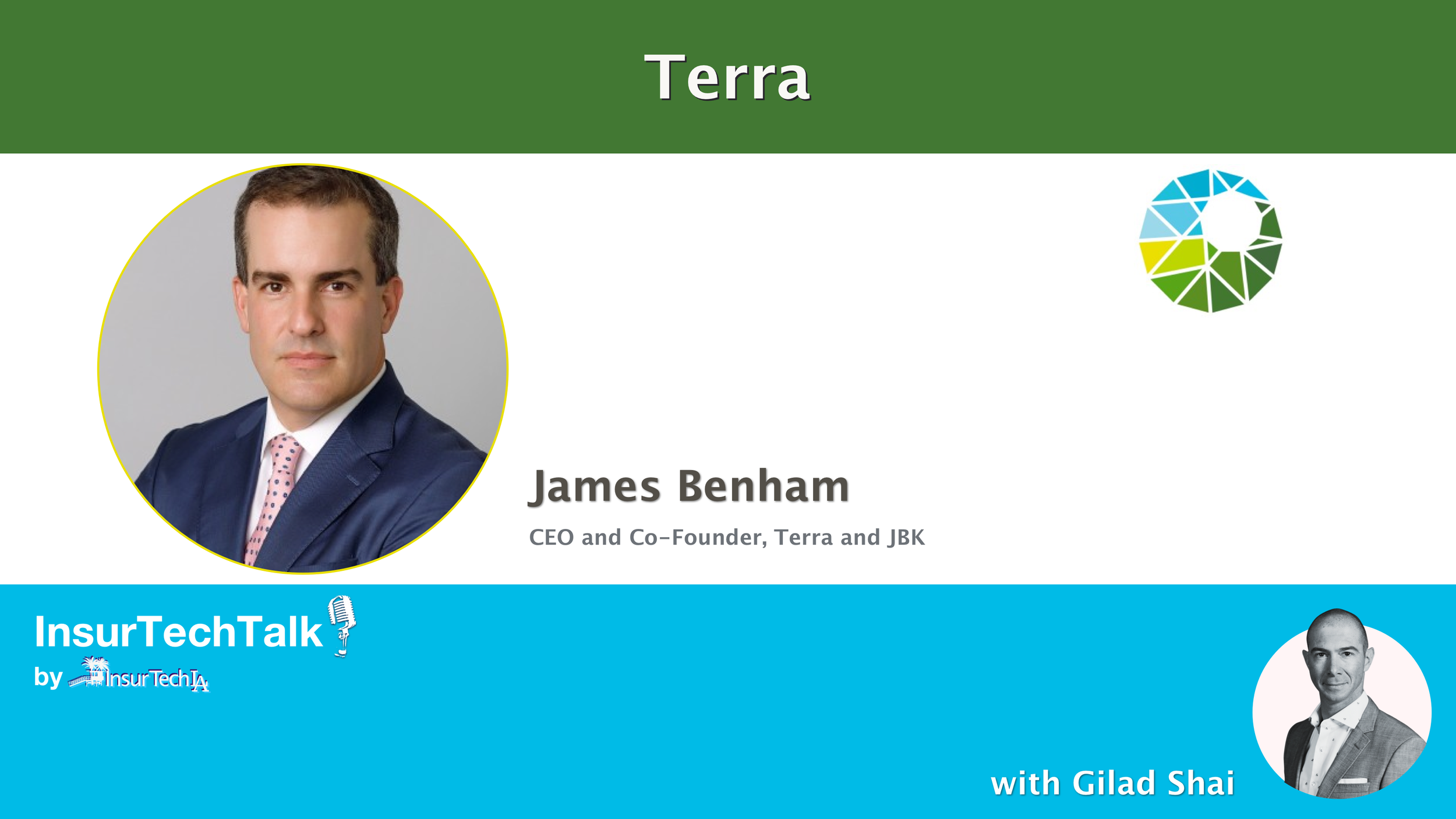
Jame Benham, CEO of JKB and Terra
James Benham has been building technology for insurance companies for 25 years — not InsurTech, actual technology. In Episode 150, he makes two arguments the industry needs to hear: first, that shadow AI is a compliance crisis hiding in plain sight at virtually every carrier, TPA, and MGA; and second, that roughly a third of the insurance workforce is performing manual clerical tasks that should be automated — while the industry simultaneously struggles to find enough qualified adjusters and underwriters. The fix to both problems runs through the same place: AI that is embedded, tested, and governed rather than bolted on or used ad hoc.
Anupam Gupta, CPO at Applied Systems
AI won’t replace insurance brokers.
But it will change how their work gets done.
In Episode 148, I spoke with Anupam Gupta, Chief Product Officer at Applied Systems, about how AI is transforming the brokerage tech stack.
One idea stood out:
Instead of replacing humans, AI will become digital teammates working behind the scenes.
For example:
• AI agents preparing renewal packets
• Extracting data from submissions and emails
• Comparing carrier responses
• Surfacing missing coverages
The result?
Less administrative work.
More time for brokers to do what actually matters: advise clients.
One of my favorite lines from the episode:
“Imagine every employee showing up like your top 10%.”
That’s the real promise of AI in insurance.