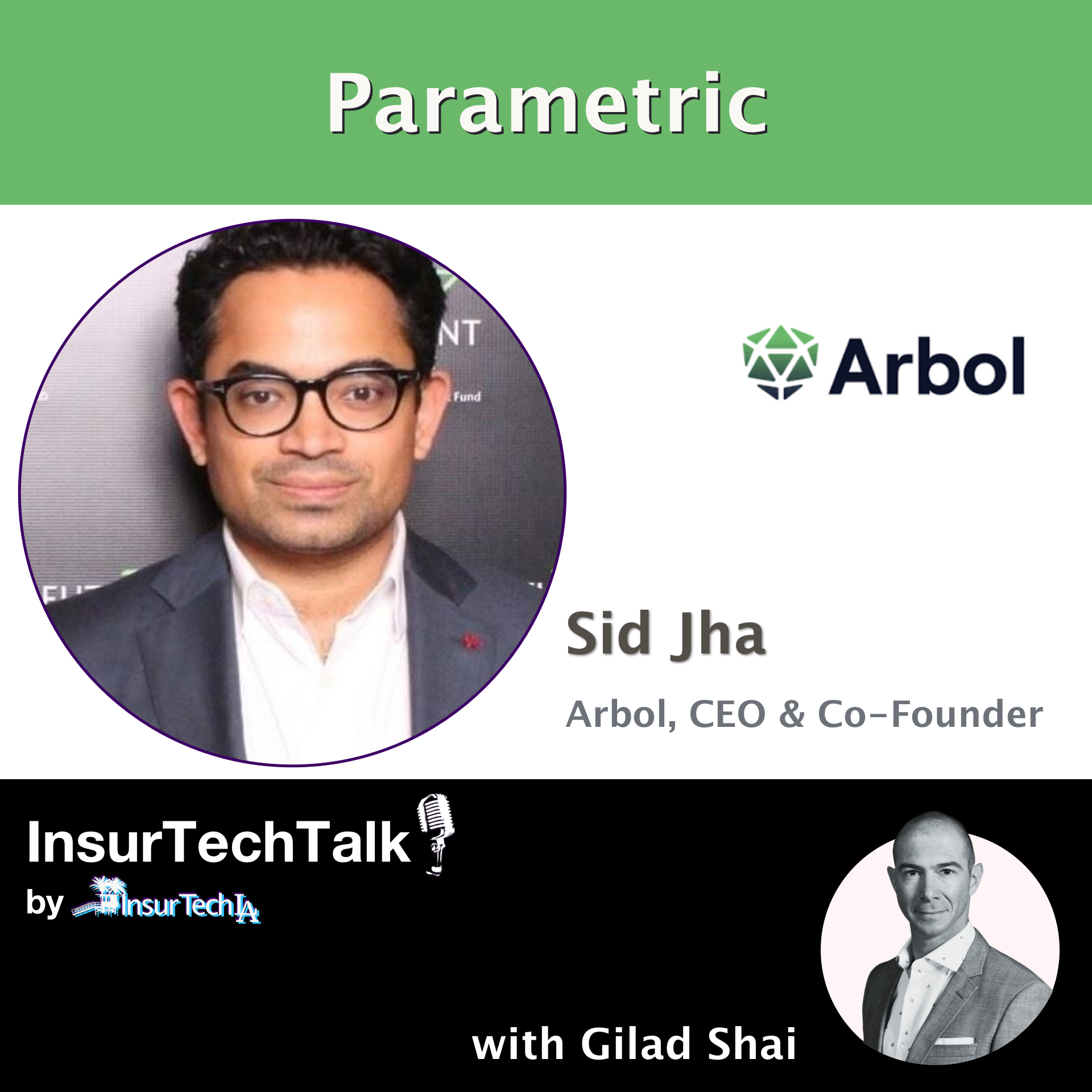
Sid Jha didn't come from insurance — he came from Citadel, trading commodities, pricing weather risk. In Episode 158, he explains how that background shaped Arbol's thesis: that parametric insurance wasn't just a claims shortcut, but a bridge to entirely new pools of capital that traditional insurance could never access. We also get into why Arbol stopped being a pure parametric company — and why being ideological about your product is the fastest way to miss what the customer actually needs.
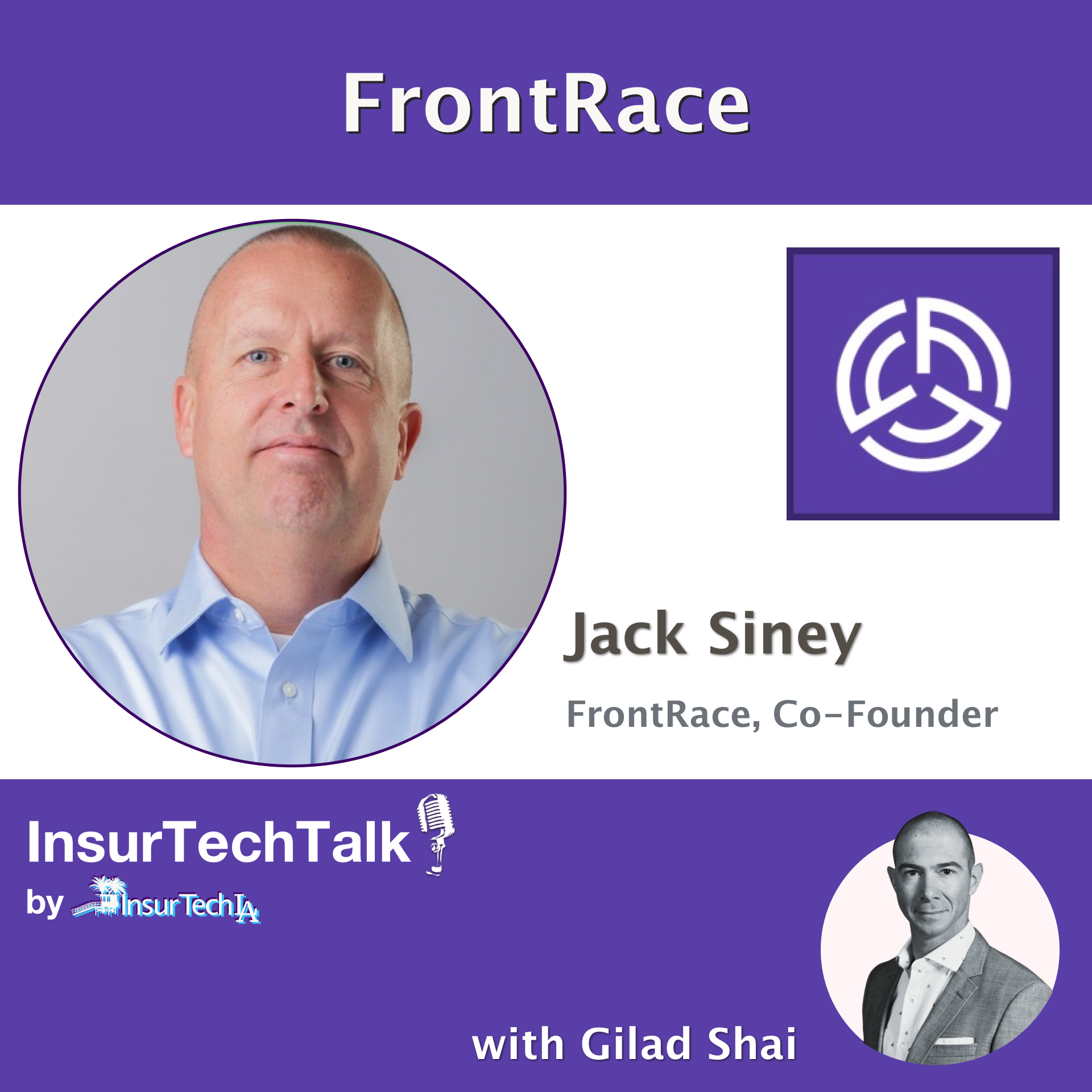
Jack Siney, co-founder and CRO of FrontRace
Jack Siney built FrontRace out of a real operational crisis: when COVID sent his sales team home, all the organic knowledge transfer that happened in an office disappeared overnight. The internal tool he built to fix that problem became a nine-figure exit. In Episode 157, he explains why your sales process probably has twice as many steps as you think, why AI on the business side is not ready yet, and what insurance agencies should be doing right now to prepare for the tools that will actually matter in 2027.
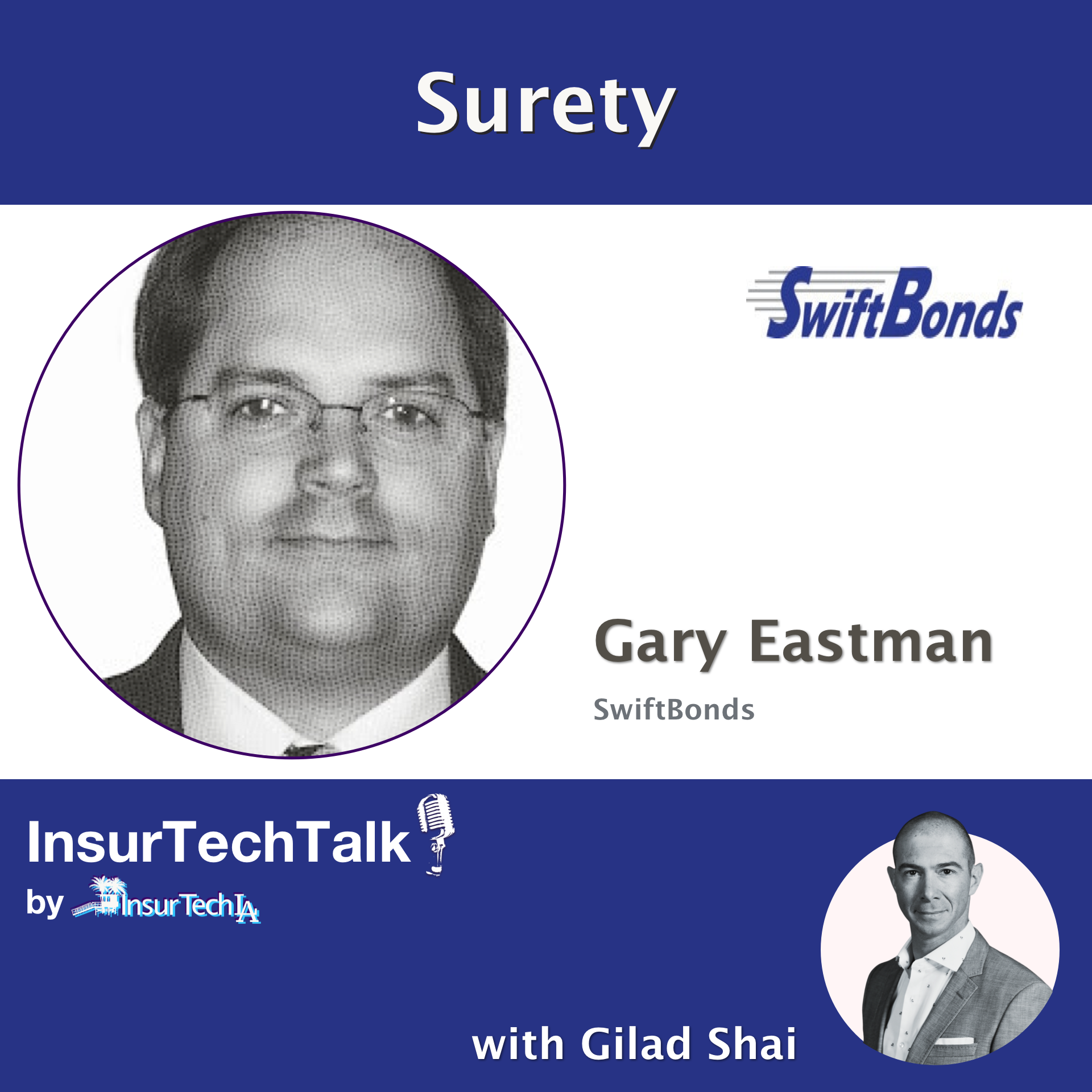
Gary Eastman, founder of SwiftBonds
Most insurance professionals have heard of surety bonds. Almost none of them can explain what one actually is. In Episode 156, SwiftBonds founder Gary Eastman — attorney, 18-year surety specialist, and self-described young person by industry standards — breaks down how surety works, why it underpins trillions of dollars of economic activity that barely anyone in InsurTech is paying attention to, and why a niche still running on 1980s underwriting models is finally ready for a technology moment.
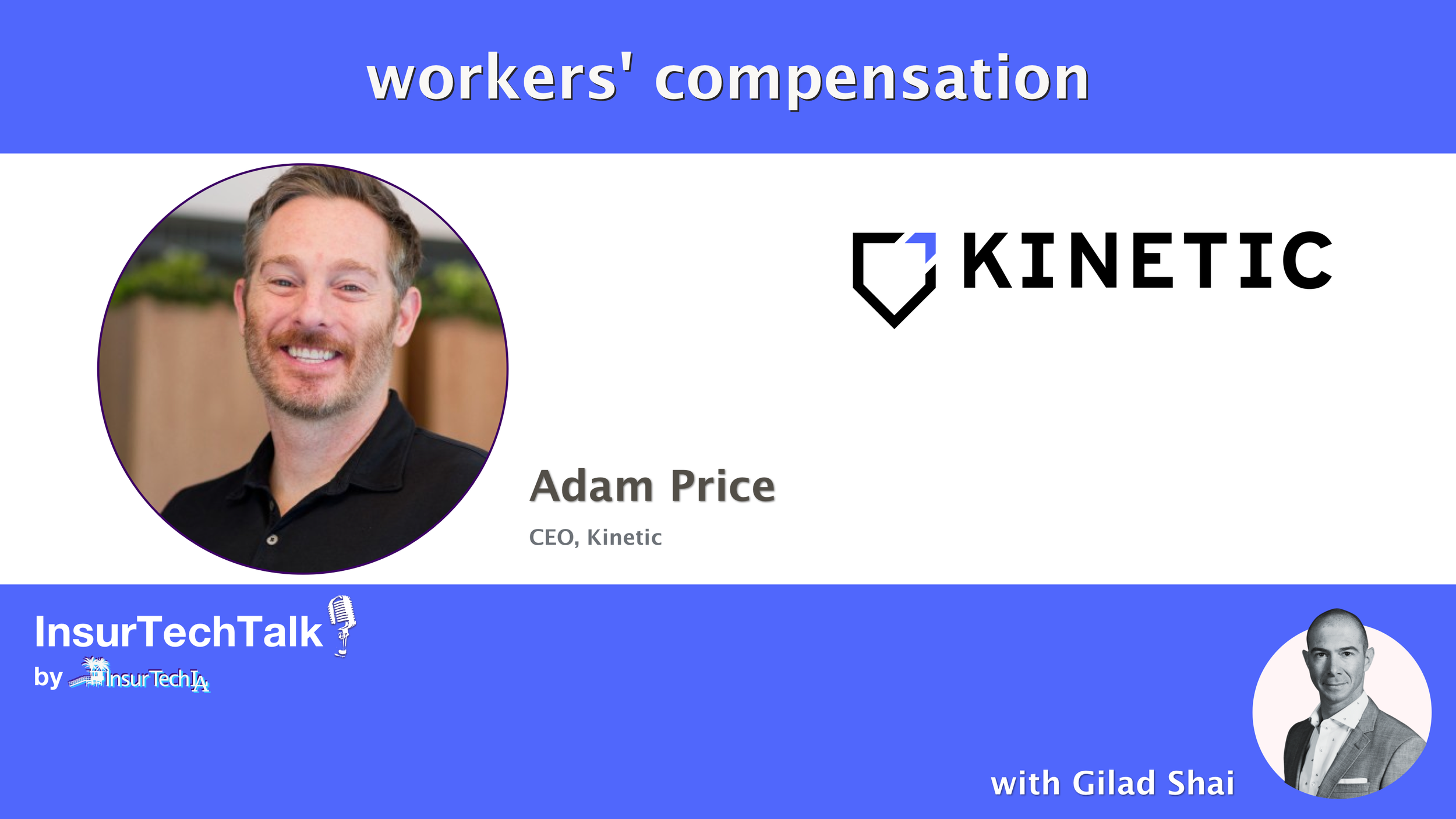
Adam Price, CEO of Kinetic Comp
Kinetic started as a wearable device company with a prevention thesis. It is now a $100M+ workers comp MGA built around claims oversight software — and the pivot happened because Adam Price asked customers what they actually needed, instead of what Kinetic had assumed they needed. In Episode 155, Adam explains why prevention technology struggles in mid-market workers comp, how data fusion creates a claims experience that scales like software but feels like dedicated attention, and what MGA investors actually want to hear — hint: it is not the $6 trillion TAM slide.
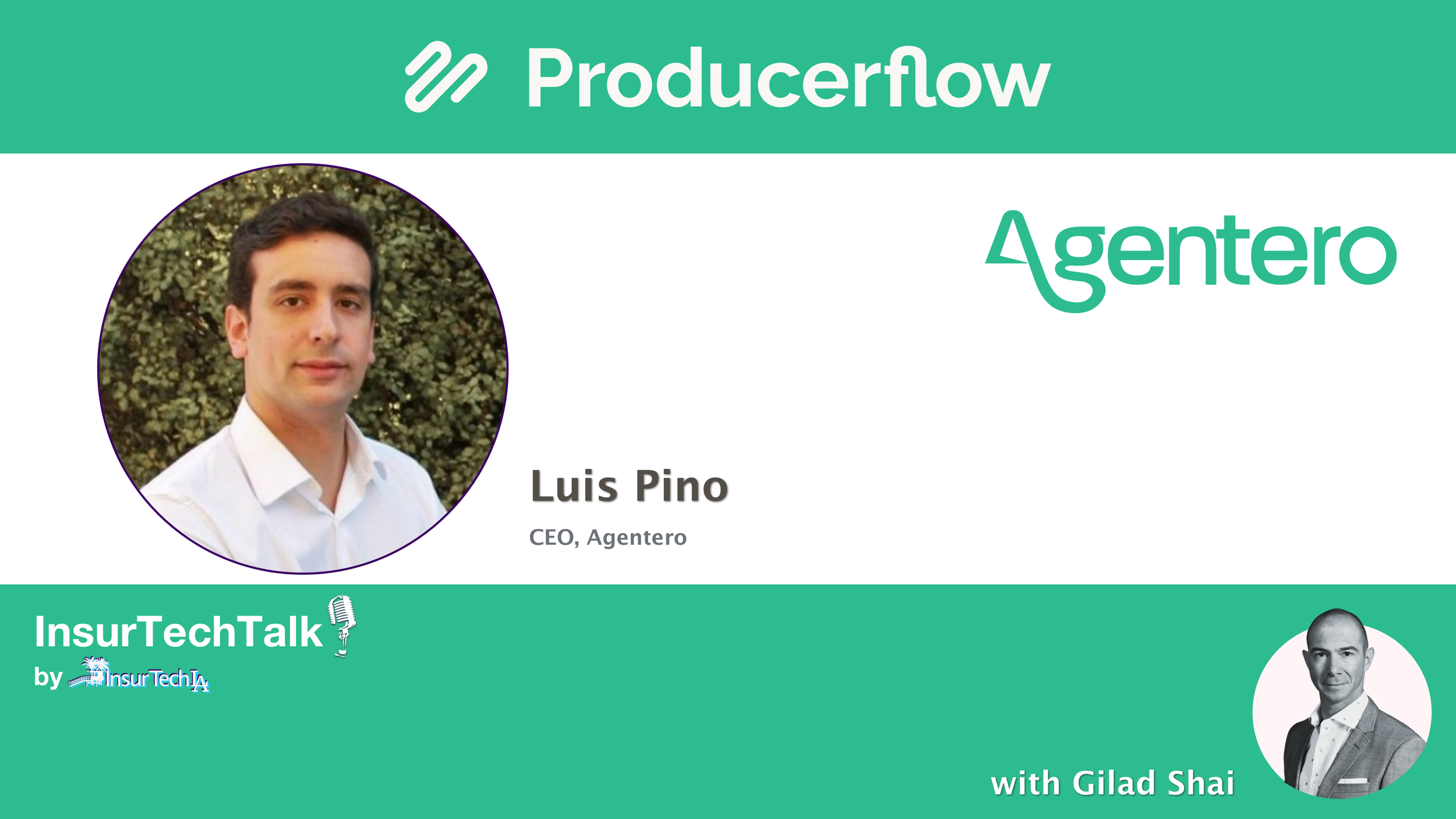
Luis Pino, CEO Agentero
Luis Pino built ProducerFlow by accident — it started as an internal compliance tool for Agentero, the carrier-agency network he founded after leaving CoverWallet, and became a standalone product when carrier partners kept asking if they could buy it. In Episode 154, Luis explains what producer compliance actually involves, why carriers approach AI with a fundamentally different risk appetite than agencies, and why the question of the insurance agent's survival in an AI-native world is one of the most genuinely open questions in distribution right now.