
The Insurance Industry Has a Clerk Problem — And Technology Is the Only Way Out
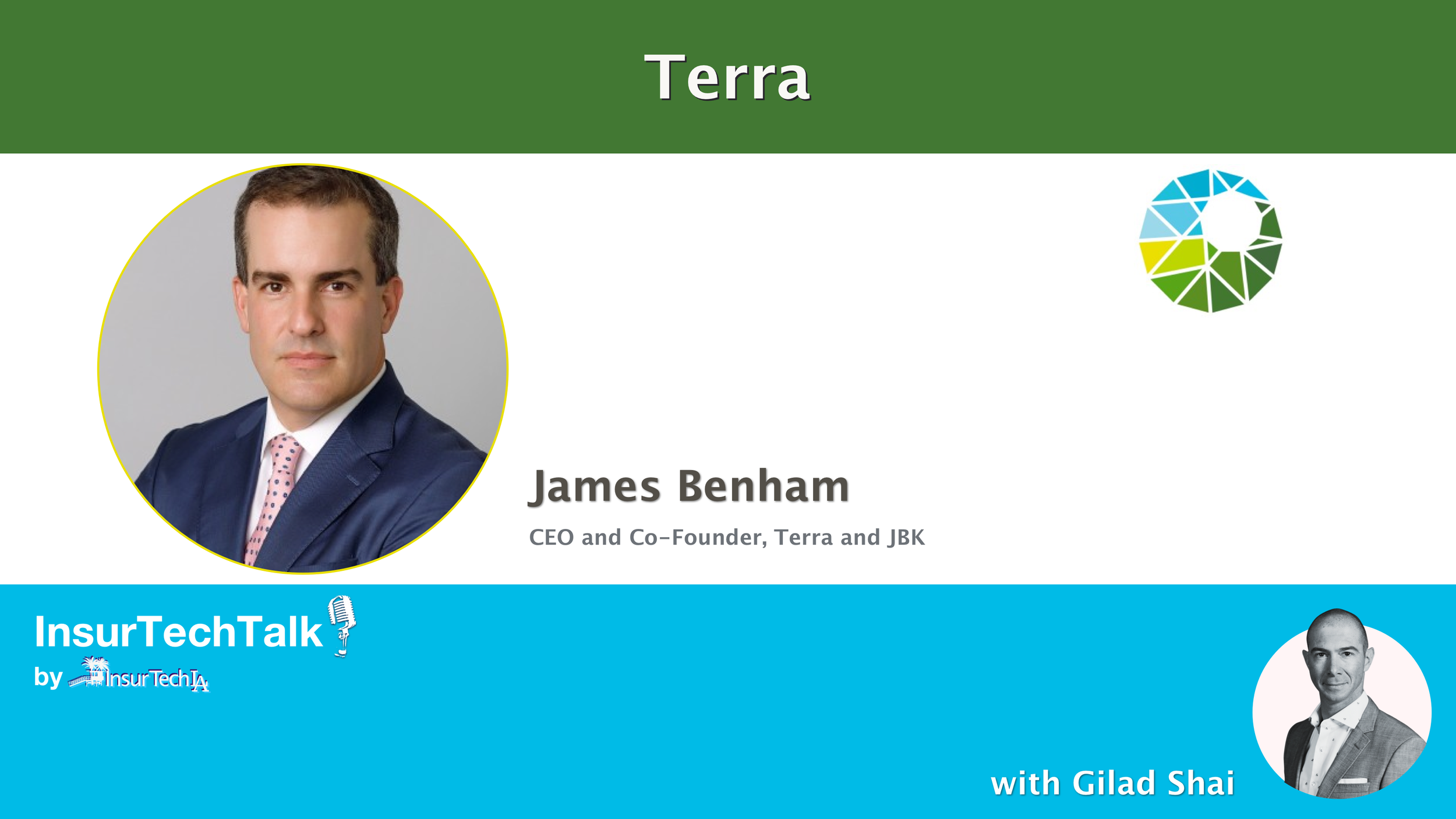
James Benham has been building technology for insurance companies for 25 years. Not InsurTech. Not a digital wrapper around a legacy system. Actual technology — bespoke development, core systems, AI-native infrastructure — for the carriers, TPAs, captives, self-insured groups, and MGAs that Guidewire and Duck Creek don't serve and don't want to.
He is the CEO of two companies: JBK, a services firm that builds custom insurance solutions, and Tara, a cloud-native, AI-native core system for the small and mid-market. He is also a published author, a limited partner in four VC funds, and the newly elected chairman of the board of regents at Texas Southern University.
In Episode 150 of InsurTechTalk, James and I covered a lot of ground — shadow AI, bootstrapping versus venture funding, the real meaning of cloud-native, and the workforce problem nobody in insurance is talking about loudly enough.
About James Benham
James Benham started his first company at 21 and has spent 22 of his 25 years in business building technology for the insurance industry. He has run servers, written code, managed system takeovers, and guided insurance companies through digital transformation at every level of the stack. He is the author of Be Your Own VC, an audio book on bootstrapping principles built from his experience building and selling SmartBid, a SaaS company he ran for 12 years before exiting. He also serves as Chairman of the Board of Regents at Texas Southern University in Houston, a historically Black university with around 9,300 students, where he has endowed multiple scholarships and chairs presidential searches.
Two Companies, One Vision: JBK and Tara
James runs two separate companies that serve different but complementary needs in the insurance market.
What Each Company Does
JBK is a bespoke development and services firm — it builds custom insurance technology solutions for carriers, TPAs, MGAs, and ancillary providers who need tailored systems rather than off-the-shelf products
Tara is a cloud-native, AI-native core system that went live with claims two and a half years ago and launched its policy administration system in October 2024 — handling quote, bind, rate, underwrite, issue, renew, cancel, endorse, and bill
The two companies are separate entities with separate teams — but they solve a connected problem: the small and mid-market insurance sector is underserved by both enterprise vendors and generic technology
Who Tara Is For
Tara is explicitly not competing with Guidewire, Duck Creek, or Majesco. It is built for:
Self-insured companies, self-insured funds, and captives that want to self-administer
Small and midsize TPAs who need modern infrastructure without enterprise pricing
Small monoline carriers and MGAs looking for a true cloud-native alternative to aging on-premise systems
Companies migrating off legacy on-premise installs that were never truly brought to the cloud
What Cloud-Native Actually Means — and Why It Matters
One of the sharpest distinctions James drew in this conversation was the difference between cloud-native and lifted-and-shifted.
The Difference Between Real Cloud and Fake Cloud
Many vendors took their physical on-premise servers, virtualized them, and provisioned them through Azure or AWS — this is not cloud-native
A truly cloud-native architecture is designed from scratch to take advantage of scalability, redundancy, programmability, and configuration flexibility that dedicated virtual machines cannot provide
Tara was built cloud-native from the ground up — not migrated, not lifted-and-shifted — which means it can take full advantage of Azure cognitive services, embedded AI, and enterprise-grade scalability without bolt-on add-ons
The Shadow AI Problem Nobody Is Talking About Loudly Enough
This was one of the most practically urgent parts of the conversation. Shadow AI — employees using personal or corporate credit cards to access Claude, Copilot, Gemini, or other LLMs outside of approved IT processes — is happening at virtually every insurance company James works with.
Why Shadow AI Is a Serious Compliance Risk
Employees uploading proprietary claims data, underwriting submissions, or client information to external LLMs are likely in violation of carrier agreements, broker agreements, and client agreements
Most consumer-facing AI products default to using inputs for abuse monitoring and model training — opting out requires a deliberate legal and technical process that almost no individual employee goes through
Results are inconsistent — prompts handed to a team of underwriters produce different outputs depending on who uses them, how, and when
There are no guardrails, no QA testing, no version control on the prompts themselves
In some cases, employees install open-source models and grant them unfettered access to local synced copies of company data — creating significant security and regulatory exposure
The Right Way to Deploy AI in Insurance
Embed AI natively in the core system so it is QA-tested, consistently deployed, and included in the subscription
Standardize prompts at the platform level rather than distributing them ad hoc to individual users
Use AI for the two highest-value use cases in small and mid-market insurance: workflow automation and decision support
Specific embedded AI capabilities Tara offers include note summarization, medical record summarization, claim summarization, total incurred prediction, claim severity prediction, and underwriting decision support
Bootstrapping vs. Venture Capital: Be Your Own VC
James is a limited partner in four VC funds — and still wrote a book arguing against the VC model for most insurance technology companies.
The Core Bootstrapping Principles
Don't charge setup, installation, or implementation fees upfront — Tara doesn't start charging licenses until clients are live, which fundamentally aligns incentives between vendor and customer
Guarantee the implementation — almost no one else in the market does this; it forces the vendor to own the outcome
No multi-year lock-in — clients should be able to leave if the product isn't working
Capital efficiency beats growth at all costs — VC-funded growth that requires burning cash to hit 50% year-over-year targets produces fragile businesses; bootstrapped companies that generate cash and keep control build something durable
Innovation requires dedicated resources — it does not happen in spare time; you have to put people, seats, and budget against it deliberately
The CEO is the chief evangelizing officer — especially as the cost of building technology drops, the ability to sell and create relationships becomes the real competitive moat
The Workforce Problem Insurance Needs to Talk About
James's answer to the closing question — what does the industry not talk about enough — was direct and specific.
The Clerk Surplus and the Adjuster Shortage
Approximately a third of the insurance workforce at carriers, TPAs, MGAs, and brokerages is performing manual clerical tasks that could be automated
At the same time, there is a significant shortage of qualified adjusters and experienced underwriters
The industry has a surplus of clerks and a deficit of the licensed, certified professionals it actually needs
The path forward is using AI and automation to handle the manual clerical work and moving those employees up into qualified roles — not replacing them, but redeploying them
Organizations that make this transition will have a structural cost and performance advantage over those still running on Excel and ad hoc processes
Key Takeaways
Cloud-native means built from scratch for the cloud — not a server migration; the difference has significant implications for scalability, AI integration, and total cost
Shadow AI is a compliance and data governance crisis hiding in plain sight at most insurance companies
Embedding AI natively in core systems — with proper QA, standardized prompts, and opt-outs from training and monitoring — is the only responsible path to AI deployment
Bootstrapping principles like no upfront fees, guaranteed implementations, and no lock-in are a competitive differentiator in a market used to being mistreated by enterprise vendors
The insurance workforce problem is not just a talent pipeline issue — it is a misallocation problem: too many clerks, not enough adjusters and underwriters, and too much manual work that technology should be doing